Ignorer et passer au contenu

Choosing an urn can feel overwhelming, especially when you are grieving and just want to make a loving choice. You are not alone. This beginner friendly guide will walk with you, one simple step at a time, so you can select an urn for ashes that feels right, looks right, and fits your practical needs.
We will start with the basics, what an urn is and how capacity works, so you know it will hold the remains properly. You will learn how to match materials to your plans, metal, wood, ceramic, glass, or biodegradable options for scattering. We will talk about style and symbolism, from classic shapes to modern designs, and how to personalize with names, dates, or engravings. You will see how placement affects your choice, whether it will rest at home, in a columbarium, outdoors in a garden, or travel with you. We will also cover budget ranges, timelines, and simple tips for buying online or through a funeral home.
By the end, you will have a clear checklist and the confidence to choose an urn that honors your loved one and brings you peace.
Understanding Cremation and Memorial Choices
Cremation’s growing choice and what it can feel like
Cremation is now the most common arrangement in the United States, reaching 63.4 percent in 2025 with projections of 82.3 percent by 2045, according to the NFDA report on cremation rates. Families often choose it for affordability, flexible timing, and environmental considerations noted in this Axios overview of cremation and burial options. Emotionally, cremation can reduce time pressure, giving space to plan a tribute at a gentler pace. Some people miss the familiarity of a graveside, so thoughtful memorial choices become an important source of connection.
Memorialization options that fit different wishes
Choices today are diverse and adaptable to different beliefs and family needs. A columbarium niche offers a dedicated place to visit, while some families keep urns for ashes at home or select cemetery burial of the urn. Others combine a home memorial with scattering in a permitted location, always checking local rules in advance. Cremation jewelry can carry a small, discreet portion of ashes, and biodegradable urns support water ceremonies or tree-planting tributes. Many families also create digital memorials, photo books, or recordings that keep stories close.
Choosing an urn as a tribute, not just a container
Begin with size, since capacity guides every other decision. Many adult urns hold about 200 cubic inches, a rule of thumb that aligns with roughly one cubic inch per pound before cremation, while medium urns for sharing or partial remains are often 30 to 100 cubic inches. Next, think about placement, for example, a niche may require specific dimensions, home display invites a style that feels comforting, and outdoor settings benefit from durable metal or stone. Material and design are personal, from warm wood and classic brass to modern clean lines and eco-friendly options. Gentle personalization, such as engraving a name, date, or meaningful symbol, can turn an urn into a lasting tribute.
Decoding Urn Styles and Materials
Traditional and modern designs
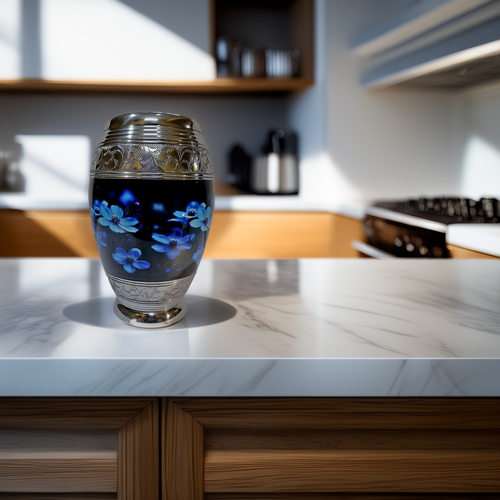
Traditional urns for ashes often follow classic vase or box silhouettes with carved borders, filigree, or motifs like the Tree of Life, angels, or florals. These familiar shapes can feel steady and ceremonial for home display or a service. In 2026, modern cremation urns lean toward simplicity and sculptural form, a trend highlighted in this overview of mid-century modern urns and shapes. Think matte ceramic discs, low rounded profiles, or brushed metal arcs that read as art as well as remembrance.
Materials to consider
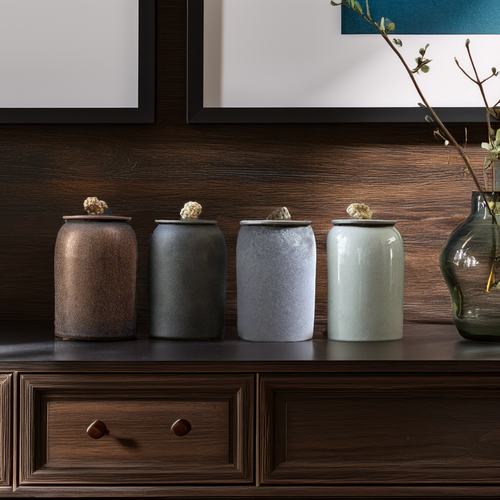
Material guides appearance, durability, and care. Metal urns such as brass, bronze, or stainless steel are protective and long lasting, with brass often signifying dignity, bronze endurance, and stainless a clean modern look, see symbolism by material. Wood brings warmth and grain character, from oak that feels steadfast to walnut associated with wisdom, well suited to shelves or cabinets. Ceramic offers artisan finishes in glossy or soft matte glazes, beautiful for display, though best handled gently. Eco friendly choices, including biodegradable papers or mineral blends, support ground or water placement for those seeking a return to nature.
Symbolism and finding meaning
Symbolic details can help the urn hold a story. Lotus or leaf motifs may suggest renewal, angel wings often express protection and peace, and teardrop or flame silhouettes can speak to love, light, and continuity. Color can guide choices too, with white for serenity, blue for calm and wisdom, green for renewal, and black for formal dignity. A gentle way to decide is to list two or three symbols, colors, or materials that reflect your loved one, then notice which designs carry them. As you explore styles, also confirm practical fit, medium urns commonly range from 30 to 100 cubic inches, so matching listed capacity to your plans can provide steady clarity.
Sizing and Capacity: Finding the Perfect Fit
How sizing works: body weight and volume
When you are ready to choose, a simple guideline can make sizing feel more manageable: one pound of body weight usually equals about one cubic inch of ashes. For example, a person who weighed 150 pounds will need an urn with a capacity of at least 150 cubic inches. Standard adult urns commonly range from 180 to 220 cubic inches, which suits many adults and leaves a small buffer for comfort. For people over 220 pounds, extra large options of roughly 250 to 400 cubic inches are available. Medium urns, often used when some ashes will be scattered or for youth, typically hold about 30 to 100 cubic inches. If you are uncertain, choosing the next size up allows for natural differences in bone density and crematory containers, and can reduce the stress of exact calculations. For additional background, you might find this guide to urn sizes and this simple capacity guide helpful.
Keepsake and companion urn options
Keepsake urns are designed to hold a small portion of the ashes, usually between 1 and 50 cubic inches. Families sometimes choose several keepsakes to share among relatives, or pair a display urn with keepsake pieces or memorial jewelry that hold a trace amount. Companion urns are created for two people who wish to be together in rest, often with a shared chamber or two separate chambers, and typically provide 350 to 400 cubic inches. To estimate, add both individuals’ approximate needs using the same one-to-one guideline. For instance, if one person weighed 160 pounds and another 120 pounds, a companion urn of at least 280 cubic inches is appropriate, and many families select 350 cubic inches or more to allow room for comfort or mementos.
Balancing aesthetics with function
Sizing is not only math. It is also about where and how the urn will be placed, and what feels right visually. If the urn will be displayed at home, consider the proportions of the room, the shelf depth, and how the shape and material, wood, metal, ceramic, or biodegradable, complement the space. If you plan placement in a niche or cemetery, ask for interior measurements and any material or closure requirements, then match the urn’s external dimensions accordingly. Simpler, clean-lined designs are widely chosen today, while personalization like engraving can add meaning without adding bulk. A secure closure and a capacity that meets your needs come first, then let aesthetics gently guide you toward the piece that feels most like your loved one.
Culturally and Ethically Sensitive Choices
Recognizing diverse traditions with care
Choosing an urn can be deeply personal, and cultural traditions often help guide the way. A 2024 study on the importance of customs and traditions to national identity found that in several countries more than 90 percent of adults view traditions as essential, and in Indonesia 79 percent say they are very important. If you are unsure what feels appropriate, gently ask family elders or faith leaders about preferred colors, motifs, or materials. For some, symbols like a lotus, a cross, a Star of David, or a Celtic knot carry meaning. Others may choose a plain stone or wood vessel, or decide to share ashes among keepsake urns so several relatives can remember in their own way.
Modern trends, eco-friendly and handcrafted
Many families are embracing modern options that still hold deep meaning. Eco-friendly urns for ashes made from bamboo, recycled paper, salt for water burial, or natural clay are chosen to reduce environmental impact. Industry reporting points to steady growth in biodegradable choices, reflecting rising interest in sustainable funerals, as noted in this degradable urns market outlook. Handcrafted urns, such as wheel-thrown ceramics, carved wood, or blown glass, offer artistry that can reflect a loved one’s style and story. Current design trends favor clean lines and calm, contemporary silhouettes, which pair well with gentle personalization like engraving a name, date, or short verse. If you plan a green burial or water scattering, confirm the urn is designed to break down safely in that setting.
Choosing sustainable materials with confidence
Being thoughtful about materials can honor both memory and planet. For wood, look for responsibly sourced timber, such as FSC certified options, and natural oils rather than solvent heavy stains. For metal, ask about recycled content, and choose finishes that are powder coated or water based to limit toxins. Ceramics with lead free glazes suit home display, while biodegradable materials are best for burial or scattering. Consider packaging too, recyclable or minimal packaging reduces waste and supports eco values. If a cemetery is involved, check local rules about vaults and burial containers so your chosen urn meets their requirements.
Navigating the Practicalities: Shipping and Safety
Steps for safely shipping ashes worldwide
If you need to send an urn or temporary container, a few steady steps can help. In the United States, USPS is the only carrier for cremated remains, and as of March 1, 2025, shipments must use Priority Mail Express. Order the free Cremated Remains Kit BOX-CRE, apply Label 139 on every side, and place ashes in a strong, sift proof inner container. Cushion so nothing moves, seal well, include a duplicate address card inside, and consider one tracked package if sending several small keepsake urns to the same household.
TSA, airline, and customs checkpoints
If you are flying, keep ashes in your carry on so you maintain custody. Use a container that can be X-ray screened, such as wood or plastic; TSA will not open a container, so opaque metal can cause delays. Carry copies of the death certificate and cremation certificate, and a funeral home letter if available. For international mailing, confirm the destination accepts cremated remains and any translation needs; USPS lists country specific rules in its International Mail Manual guidance.
Best practices for secure and respectful transport
Start early to gather documents, check rules, and plan around weekends or holidays. Use a sift proof inner container with a threaded or sealed closure, place it in a sealed plastic bag, cushion the urn, and add duplicate documents inside. Choose tracking, signature required, and appropriate insurance, then share the number and an expected delivery window with the recipient. If you will display a metal urn later, travel with a nonmetal temporary container, and when dividing ashes, label each keepsake urn and record who will receive each portion.
Urn Selection: A Guided Personal Journey
Begin with gentle self-reflection and personalization
Choosing an urn can be a quiet moment to honor what was unique about your loved one. Start by writing a few words that describe them, such as peaceful, artistic, outdoorsy, or spiritual. Let those words guide material and style, from warm woods and classic metals to eco-friendly choices like bamboo, which reflect the growing interest in sustainable memorials. Personalization is meaningful and increasingly expected, with market insights showing strong preference for custom items that feel one of a kind, as noted in recent reviews of personalized gift trends in 2026. Practical details help too, such as knowing that medium urns often range from about 30 to 100 cubic inches, and that cremation jewelry holds a very small, discreet portion of ashes for those who prefer something wearable and close.
Invite family voices and find shared ground
Many families appreciate choosing together, even if feelings or tastes differ. A simple approach is to ask each person to share one must-have and one nice-to-have, for example a tree motif, a neutral finish, or a modern silhouette. Look for themes you agree on, such as a calm color palette or a preference for clean lines, which aligns with current modern design trends that favor simplicity and contemporary artistry. If opinions remain far apart, consider a primary urn for ashes that reflects shared values, then complement it with keepsake urns or cremation jewelry for individual expression. Short, focused conversations, and if helpful, gentle guidance from a funeral professional, can reduce stress and keep everyone heard.
Why many families choose direct-to-consumer
Direct-to-consumer online stores can offer privacy, time to reflect, and clear product details without leaving home. When reviewing listings, check ash capacity in cubic inches, interior dimensions if needed for a niche, material and finish, closure type, and engraving options. Read return and warranty policies, and plan for production plus shipping time if personalization is requested. Online personalization tools continue to improve, supporting thoughtful choices and custom touches, as highlighted in insights on the future of personalized gifts in 2026. This steady, step-by-step approach can help you choose an urn that feels right for your family and the tribute you wish to create.
Concluding Thoughts: Honoring Memories with Care
When closing this guide, a few steady points can help your decision feel simpler. Start with purpose and placement, for home display, a niche, burial, or scattering, since that determines material and shape. Check size carefully: a standard adult urn often holds about 200 cubic inches, while medium urns for partial remains or shared memorials usually hold 30 to 100 cubic inches. If you plan a niche, confirm both capacity and external dimensions, and look for a secure threaded or latched closure. Materials carry meaning and practicality, from warm wood to durable metal, elegant stone, or biodegradable designs for earth or water. Many families choose clean, modern lines, and personalization like engraving or a favorite motif. Set a gentle budget, then read details closely, including ash capacity, finish, and any guarantee.
Most of all, trust that there is no single right choice. The urn, a keepsake, or cremation jewelry with a discreet compartment for a small amount of ashes can each honor a life with dignity. For example, a simple walnut urn may reflect a love of forests, a ceramic piece with understated florals may echo kindness, and a keepsake can allow relatives in different homes to remember together. If you would like support, educational guides, sizing charts, and grief resources are available to review at your own pace. You can pause, return, and make notes when you feel ready. May these gentle steps help you choose urns for ashes that feel true, steady, and full of love.
Conclusion
Choosing an urn does not have to add to your burden. Focus on the essentials: confirm capacity and placement so it fits both the remains and the setting; match materials to your plans and environment, from metal or wood to ceramic, glass, or biodegradable; express meaning through style, symbolism, and personalization; set a realistic budget and timeline, then purchase with confidence online or through a funeral home.
Now take the next step. Download or print the checklist, discuss it with family or your funeral director, and shortlist two or three options that meet your needs. This guide was created to give you clarity, compassion, and practical help when it matters most. When you are ready, trust your instincts and choose with love. One thoughtful step at a time, you will find the right resting place.