Ignorer et passer au contenu

Losing someone you love is never easy, and the decisions that follow can feel overwhelming, especially if you've never navigated them before. If you're here, you're probably trying to figure out the world of funeral cremation urns, and honestly, that's a completely normal place to start.
Choosing the right urn is more meaningful than most people realize. It's not just a container; it's a lasting tribute to someone's life and memory. But with so many styles, materials, and purposes to choose from, it can be hard to know where to begin.
That's exactly why we put this guide together. Whether you're planning ahead, helping a family member, or facing an unexpected loss, this tutorial will walk you through everything you need to know in simple, stress-free terms. We'll cover the different types of funeral cremation urns available, what materials to look for, how sizing works, and tips for choosing something that feels right for your situation. No confusing jargon, no pressure, just clear and caring guidance every step of the way. Let's take this one step at a time.
What Is a Funeral Cremation Urn
A funeral cremation urn is a vessel chosen to hold and honour the ashes of someone you love. It can take many forms, from a beautifully crafted wooden box to a ceramic vase, a metal container, or even a piece of memorial jewellery. At its heart, an urn is simply a meaningful, dignified home for your loved one's remains, something far more personal than the temporary container returned by the crematorium.
Urns play a gentle but important role in the memorial process. Some families choose to display an urn at a funeral or celebration of life service, creating a quiet focal point for remembrance. Others keep it at home, on a shelf or in a special place, as an ongoing connection to the person they have lost. An urn can also accompany a family to a meaningful location for a scattering ceremony, or be interred in a cemetery or columbarium. There is no single correct path, and an urn can support whatever feels right for your family.
It is also worth knowing that choosing an urn is not a legal requirement, and there is no one right answer. The decision is entirely personal, guided by your loved one's wishes, your family's traditions, and what brings you comfort.
What surprises many people is just how much choice is available. Urns come in a wide range of materials, styles, and sizes, and families often discover far more options when exploring beyond a funeral home setting. You can learn more through resources like consumer guidance on cremation decisions to help you feel informed and confident as you explore what feels right.
Understanding Ash Volume and Urn Sizing
One of the most practical questions families face when choosing a funeral cremation urn is simply: will it be the right size? It helps to understand a little about what to expect before you start looking.
An average adult cremation typically yields approximately 3 to 3.5 litres of ash, which is equivalent to roughly 183 to 213 cubic inches. This volume comes mainly from bone mass, and it can vary slightly depending on a person's height, build, and bone density. Taller or larger individuals may produce a little more; smaller individuals a little less. But this range is a reliable general guide for most adults.
A widely used rule of thumb, endorsed by many funeral professionals, is to allow approximately 1 cubic inch of urn capacity per pound of the person's pre-cremation body weight. So if someone weighed around 150 pounds, an urn with a capacity of at least 150 cubic inches would be a sensible starting point. This guideline is intentionally generous, giving you a comfortable margin. You can read more about how ash volume relates to body weight in this guide to how much ash is left after cremation.
The reassuring news is that most standard adult urns are designed with exactly this volume in mind. A typical full-size urn holds around 200 cubic inches, which suits the majority of adults comfortably. Unless there are specific circumstances, such as a very large build or a preference for extra capacity, a standard adult urn will generally be appropriate.
For children, infants, and pets, significantly smaller urns are used. Infant urns may hold as little as 10 to 43 cubic inches, while urns for older children typically range from around 40 to 120 cubic inches. Pet urns follow a similar 1 cubic inch per pound guideline, with sizes varying from very small for cats or small dogs to larger vessels for bigger breeds.
Every product listing at Remembrance Haven includes clear capacity information, so you can match the urn to your needs with confidence. If you are ever unsure, support is always available to help you choose gently and without pressure.
Types of Funeral Cremation Urns
Once you have a sense of the sizing that works for your situation, the next step is understanding what type of urn best fits your memorial intentions. There are several distinct categories, and each one serves a different purpose and family need.
Full-Size Adult Urns
Full-size adult urns are the most common choice, and for good reason. They are designed to hold a complete set of cremated remains for one adult, typically with a capacity of around 200 cubic inches or more. These urns come in a wide range of materials, including brass, bronze, wood, ceramic, marble, and stone, and they suit a variety of settings: a quiet shelf at home, a columbarium niche, or a burial plot. If you are planning to keep your loved one's ashes in one place as a central, lasting tribute, a full-size adult urn is likely the right starting point.

Keepsake Urns
Keepsake urns are much smaller vessels, designed to hold just a symbolic portion of ashes rather than a full set. They are a gentle and meaningful option when families want to share remains among several people, perhaps siblings living in different homes, or when one person would like to keep a small personal memorial close while a primary urn is placed elsewhere. They come in many of the same materials and styles as full-size urns, simply in miniature form.
Companion Urns
Companion urns are crafted to hold the ashes of two people together. They are often chosen by couples or life partners who wished to remain together, and many feature symbolic designs such as intertwined hearts or unified motifs that reflect a shared life. Some have divided internal chambers; others hold both sets of remains in a single space. They are available in materials like bronze, marble, and wood.
Children's and Infant Urns
The loss of a child or infant is one of the most profound griefs imaginable, and urns in this category are designed with that tenderness in mind. They are smaller in capacity to reflect the significantly lower ash volumes involved, and they are often styled with soft, comforting imagery: lambs, stars, angels, or gentle colors. The goal is to provide something that feels peaceful, dignified, and fitting for a life that deserved every care.
Pet Urns
Pets are family, and their loss deserves the same thoughtfulness. Pet urns are sized appropriately for animals of all kinds, from small birds and cats to larger dogs, and they often feature designs like paw prints, bone motifs, or space for a custom name and date. Wood, ceramic, and metal are all popular choices, and many families choose to display a pet urn at home or in a garden that held special meaning.

Memorial Jewellery
Memorial jewellery offers something uniquely personal: a way to keep a loved one close at all times. Pendants, necklaces, and rings can be crafted to hold a very small amount of ash within a sealed compartment, or made with glass or resin that incorporates ash into the piece itself. This is a growing and deeply meaningful form of remembrance, particularly for those who find comfort in physical closeness. It can be worn every day or kept as a treasured keepsake, and it works beautifully alongside a full-size urn rather than as a replacement for one.

Urn Materials and What They Mean
Once you have a sense of which type of urn suits your memorial intentions, the material it is made from becomes the next meaningful consideration. Material shapes how an urn looks, feels, and lasts over time. It also carries its own quiet symbolism, which many families find helpful when trying to make a choice that feels right.
Wood
Wooden urns have a warmth to them that many people find deeply comforting. The natural grain, the familiar weight, the way they sit gently in a home environment rather than standing out as something clinical or formal. They are available in a wide range of finishes and wood types, from polished walnut and rich cherry to lighter maple or sustainable bamboo, so there is plenty of room to find something that suits your loved one's personality and your home.
Metal
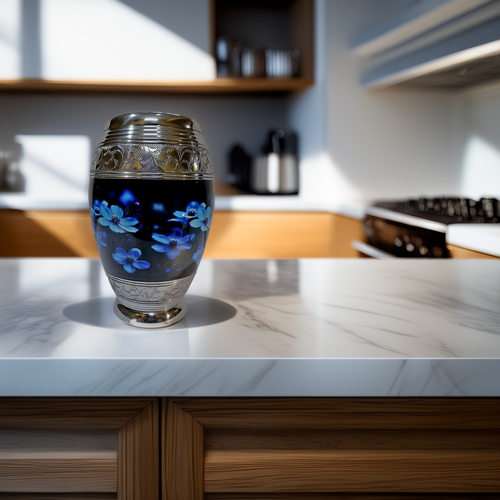
Metal urns, including those crafted from brass, aluminium, or stainless steel, are known for their durability and longevity. They hold up beautifully over time, making them a popular choice for families who plan to keep the urn at home long-term or place it within a columbarium niche. Many feature secure closures and can be engraved, offering a lasting and dignified tribute.
Ceramic and Porcelain
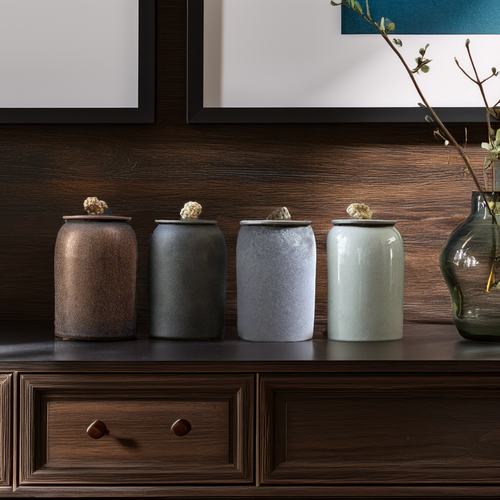
Ceramic and porcelain urns are often handcrafted, and that shows in their character. Each piece can carry unique glazes, textures, and artistic details that make it truly one of a kind. For families drawn to something that feels expressive and personal rather than uniform, these urns offer a quietly beautiful option.
Marble and Stone
There is something grounding about the weight of a stone or marble urn. Its solidity can feel reassuring, a physical sense of permanence that reflects the lasting place your loved one holds in your heart. These urns suit home display, burial, or columbarium placement with equal grace.
Biodegradable and Eco-Friendly Urns
For families who wish to honour their loved one through a return to nature, biodegradable urns offer a gentle and meaningful path. Made from materials such as bamboo, recycled paper, salt composites, or plant-based fibres, they are designed to break down naturally during earth burial or water scattering. Around 65% of consumers now express a preference for sustainable options, reflecting how important environmental values have become in memorial planning. You can find helpful general guidance on eco-friendly memorial choices through independent resources such as government environmental agencies or community green burial organisations.
No single material is better than another. The right choice is simply the one that feels most true to the person you are remembering and the way you wish to hold them close. A guide to cremation urn types, materials, and meaning can help you explore these options further as you take each step at your own pace.
Style, Personalisation, and Meaning
When it comes to choosing a funeral cremation urn, style is one of the most personal decisions you will make. There is a wonderfully wide range to explore, and understanding what is available can help you find something that truly feels right.
Traditional and religious designs often feature classic shapes in brass, marble, or wood, sometimes decorated with crosses, angels, or laurel wreaths. These designs carry a sense of timeless reverence and connect beautifully with faith traditions and cultural heritage. Modern minimalist styles take a different approach, favouring clean lines, geometric forms, and calm colours like soft white, deep blue, or brushed silver. They suit contemporary homes and those who prefer quiet, understated elegance. Nature-inspired designs are also deeply loved, featuring motifs like butterflies, birds, trees of life, flowers, and ocean scenes.
Engraving is one of the most meaningful ways to personalise a cremation urn. Adding a name, a date, or a few words that captured someone's spirit transforms a beautiful object into a completely unique tribute. Something as simple as "Beloved Father" or a favourite phrase can bring enormous comfort every time you see it.
Symbolic motifs carry their own gentle language. Butterflies often represent transformation and the soul's journey. Flowers speak of beauty and renewal. Stars suggest eternity and guidance. Cultural or religious imagery can honour someone's faith, heritage, or passions in a deeply respectful way.
It is worth saying clearly: there is no right or wrong style to choose. What matters most is what feels meaningful to you and reflects the person you are remembering. At Remembrance Haven, you will find a wide variety of designs spanning traditional, symbolic, and contemporary styles, so that every family can find something that truly honours their loved one.
Splitting Ashes and Multi-Memorial Options
Something that surprises many families is just how common it is to divide a loved one's ashes between several people or memorial formats. There is nothing unusual or disrespectful about this choice. In fact, splitting ashes among family members is becoming one of the most widely practised approaches to cremation memorials, particularly as families are more geographically spread out and as cremation rates continue to rise around the world. It is a deeply human response to a shared loss, allowing everyone who loved that person to hold something meaningful of their own.
A thoughtful way many families approach this is by combining a full-size cremation urn with one or more keepsake urns, and sometimes memorial jewellery as well. The primary urn holds the majority of the ashes and serves as the central memorial, whether kept at home, placed in a columbarium, or used for a scattering ceremony. Smaller keepsake urns, which typically hold just a modest portion of ashes, can then be shared with other family members so that each person has something personal to keep. This way, no one has to feel distanced from the memorial.
Memorial jewellery is a growing part of this picture. Pendants, lockets, and small keepsake pieces can hold a tiny amount of ashes, allowing someone to carry their loved one with them every day. It is an intimate, quiet form of remembrance that many people find deeply comforting. For those who travel frequently, live far from the main memorial, or simply want that sense of closeness, cremation jewellery and keepsake options offer something genuinely meaningful.
It is worth saying clearly: dividing ashes does not diminish any individual memorial. Each portion carries the same love and significance. Many families describe the process not as separating something, but as sharing it. If you are unsure about quantities, sizing, or how to approach the practical side of things, guidance is always available, and keepsake urns and memorial jewellery pieces are widely accessible in a range of styles to suit different preferences and budgets.
Home Storage, Scattering, and Other Considerations
Keeping ashes at home is a deeply personal choice, and it is far more common than many people realise. In most countries, including the United States, Canada, and the United Kingdom, there is no legal prohibition on storing cremated remains at home. Research from the Cremation Association of North America suggests that nearly one in four US households has cremated remains stored at home, often from parents or grandparents who have not yet been permanently memorialised. It is a quiet, meaningful way to keep someone close while you take the time you need.
Scattering is another option that many families find deeply moving. It connects a farewell to nature, to a beloved place, or to a sense of gentle release. Biodegradable urns are specifically designed to support this, whether you are scattering on water or on land. Made from natural materials like salt, sand, bamboo, or paper, they break down harmlessly and leave nothing behind but memory. It is worth noting that rules around scattering vary considerably by country and region, so checking local guidance beforehand is always a good idea.
For families who prefer a dedicated, external resting place, columbarium niches and memorial gardens are thoughtful alternatives. A columbarium niche is a small, secure compartment, usually within a cemetery or chapel, designed to hold an urn and provide a permanent place to visit. Memorial gardens offer a similar sense of place, often with natural surroundings that feel peaceful and comforting.
Because practices and local guidelines differ so much depending on where you are, speaking with a local funeral director or relevant authority is always advisable if you have specific questions about legality or placement.
Above all, please know that there is absolutely no pressure to make any permanent decision quickly. Many families keep ashes at home for months or even years while they grieve, reflect, and consider what feels right. That is entirely acceptable, and entirely natural.
How to Choose: A Gentle Framework
If you have read through everything above and still feel uncertain about where to begin, that is completely understandable. There is a lot to take in. Sometimes it helps to set the bigger picture aside for a moment and simply start with a few gentle questions.
How will the ashes be kept or memorialised? Will they rest at home, be placed in a columbarium, or perhaps be scattered somewhere meaningful? Will the ashes be divided so that more than one person can hold a piece of their loved one close? And what size urn is needed to accommodate the volume of ashes? These three questions alone can quietly guide you toward the right category of urn without any pressure to decide everything else straight away.
From there, it can be worth thinking about the person you are remembering. What colours, textures, or styles reflected who they were? A love of nature might point toward warm wood or hand-thrown ceramic. An artistic spirit might be honoured by something in glass or with a hand-painted finish. There is no wrong answer here. This is simply about finding something that feels true to them.
It is also worth saying clearly: there is no deadline. You do not need to have everything decided quickly. Many families take time, and that is completely reasonable.
When you are ready to explore options, reputable online providers offer detailed product descriptions, clear capacity information, and caring customer support to help you along the way.
Whatever you choose, the act of choosing itself is meaningful. Selecting a resting place for someone you love is, in every sense, an act of love and care.
Finding What Feels Right for Your Family
You have covered a great deal of ground together in this guide, from understanding ash volume and sizing, to exploring urn types, materials, styles, and the option to divide ashes among family members. Hopefully, some of that feels a little clearer now.
The most important thing to hold onto is this: there is no single correct choice. The right urn is simply the one that feels meaningful to you and your family. It might be a beautifully engraved wooden urn, a delicate keepsake pendant, or a simple, elegant vessel in a material that somehow just feels right. Whatever resonates with you is a worthy tribute.
It is also completely normal to feel uncertain right now, or to need more time before making any decisions. Grief does not follow a schedule, and neither should this process. There is no rush.
When you feel ready, we warmly invite you to explore the Remembrance Haven collection at your own pace. The range includes urns for adults, children, infants, and pets, alongside keepsake urns and memorial jewellery, all chosen with care and craftsmanship. Browse quietly, take your time, and know that support is available whenever you need it.
Conclusion
Choosing a funeral cremation urn is one of the most personal decisions you can make during an already difficult time. To recap what we've covered: urns come in a wide range of materials, styles, and sizes to fit every need and budget. The right choice depends on your plans for the remains, your personal connection to the deceased, and what feels most meaningful to you. There is no wrong answer, only the one that honors your loved one best.
Now that you have a clearer picture of your options, take the next step with confidence. Browse our curated selection of funeral cremation urns, or reach out to our compassionate team for personalized guidance. You don't have to figure this out alone. With the right information and support, you can find a tribute that truly reflects the life and love worth celebrating.
Read next
- Selecting the Right Urn for Ashes: A Compassionate Guide — Learn how to choose a meaningful and respectful vessel to honour your loved one's memory.
- Cremation Urn Capacity: Your Complete Sizing Guide — Understand how to select the correct size urn with our straightforward guide to capacity and measurements.
- Exploring Urns Australia: A Buyer’s Guide — Navigate your purchasing options in Australia with this helpful guide to quality local memorial products.