Ignorer et passer au contenu

Losing someone you love is one of life's hardest experiences, and navigating the practical decisions that follow can feel completely overwhelming. If you've chosen cremation for a loved one, you may find yourself staring at a seemingly endless array of crematorium urns, wondering where on earth to even begin.
Here's the good news: choosing the right urn doesn't have to be stressful. With a little guidance, it can actually become a meaningful part of honoring your loved one's memory.
In this guide, we're going to walk you through everything you need to know as a first-time buyer. We'll cover the different types of crematorium urns available, the materials they're made from, how to choose the right size, and what to consider based on your plans for the ashes. Whether you're looking for something to display at home, use in a burial, or scatter at a special location, there's a perfect option out there for you.
So take a breath, and let's go through this together, one simple step at a time.
What Is a Crematorium Urn?
If you've been searching online and found yourself seeing the terms crematorium urn, cremation urn, and urn for ashes used in different places, you're not alone. These phrases all mean exactly the same thing: a container chosen to hold and honour the cremated remains of someone you love. The variation in language can feel confusing at an already overwhelming time, so it helps to know from the start that whichever term you come across, they all refer to the same gentle, meaningful object.
When cremated remains are returned to a family, they typically come in what's known as a temporary container. This is usually a simple cardboard box or basic plastic container, with the remains held inside a sealed plastic bag. It's sometimes called an "ashes box," and while it may feel unexpectedly plain, it is designed to be practical and safe. It serves its purpose well as a short-term vessel, but it was never intended as a lasting tribute.
A permanent crematorium urn offers something different. It provides a considered, dignified resting place chosen with care. It can reflect the personality, values, and spirit of the person being honoured, whether through its material, design, or meaning.
One of the most important things to know is that there is no deadline for making this choice. The temporary container is perfectly safe for as long as you need it. Many families take days, weeks, or even longer before choosing a permanent urn, and that is entirely natural.
This guide is here to support you, not to rush you. Choosing an urn is a quiet act of love, and you can take all the time you need. For broader practical context, this complete urn selection guide covers sizing, materials, and key considerations in helpful detail.
What Size Urn Do You Need?
One of the most practical questions families ask when choosing a crematorium urn is simply: will it be the right size? The good news is that sizing is more straightforward than it might seem, and you won't need to figure it out alone.
After cremation, adult remains typically amount to somewhere between 150 and 220 cubic inches in volume. In terms of physical weight, they generally come to around 3 to 9 pounds, depending on the person's bone structure and body weight. Knowing this helps you approach the selection process with confidence rather than uncertainty.
The Simple Sizing Guide
The most widely used starting point is a straightforward rule: one cubic inch of urn capacity for every pound of body weight. So if your loved one weighed around 160 pounds, you would look for an urn with a capacity of at least 160 cubic inches. A standard adult urn typically holds around 200 cubic inches, which suits most adults comfortably. For taller or larger individuals, XL urns holding 220 to 250 cubic inches are also available. This cremation urn size guide walks through these measurements in further detail if you'd like additional reassurance.
Children's, Infant, and Pet Urns
For families facing the loss of a child or infant, this is an unimaginably difficult time. Dedicated children's and infant urns exist for exactly this need, with smaller vessels purpose-made and clearly described. A child-sized urn typically holds around 50 cubic inches, and the same gentle rule applies.
For beloved pets, the same one-cubic-inch-per-pound guideline is a helpful starting point. A small cat or bird will need a much smaller vessel than a large dog, and species-specific sizing guidance is available to help.
Dividing Ashes Among Family Members
If your family would like to share cremated remains among several people, keepsake urns are designed for exactly this purpose. These are small, beautifully crafted vessels holding just 3 to 20 cubic inches; they are not meant to hold the full volume of remains. This guide to choosing the right cremation urn explains the keepsake option clearly and compassionately.
Every product listing at Remembrance Haven includes full capacity details in cubic inches, so there is no guesswork involved. If you are ever unsure, support is always available to help you choose with confidence.
Choosing a Material That Feels Right
The material an urn is made from shapes how it looks, how it feels to hold, and how it will sit in your home or chosen resting place for years to come. There is no single right answer here. Each material carries its own qualities, and the best choice is simply the one that feels most fitting for the person you are remembering.
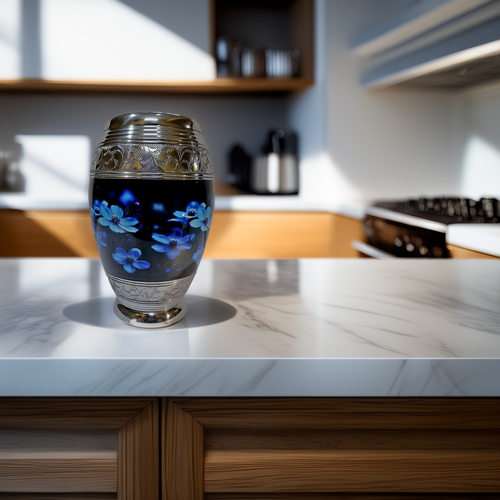
Metal urns, including those made from brass, aluminium, and stainless steel, are among the most popular choices for long-term memorialisation. They are robust, secure, and resistant to everyday wear, which makes them well suited to permanent indoor display or placement in a columbarium niche. Metal urns are also highly receptive to engraving, so names, dates, and personal inscriptions can be added beautifully. They come in a wide range of finishes, from brushed pewter tones to deep antique bronze, giving families plenty of ways to reflect personal taste.
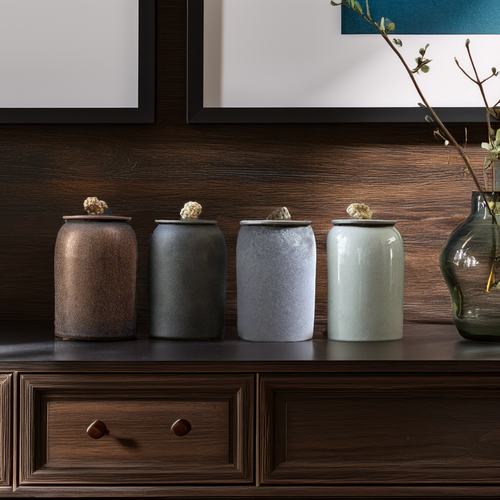
Ceramic and porcelain urns are often chosen for their handcrafted, artisan quality. Each piece has a subtly individual character, and many families find them deeply personal and beautiful. They vary in weight and glaze finish, and they sit naturally in a home environment, whether displayed on a shelf, a mantle, or a special dedicated space.
Wooden urns bring a warm, natural quality that feels grounded and gentle. Hardwood varieties are particularly durable and are often associated with traditional or nature-inspired memorials. Many wooden urns can also be personalised with engraved text or photography, adding a further layer of meaning.
Marble and stone urns have a timeless, substantial presence. Their weight gives them a sense of permanence, which some families find very comforting. That weight is worth bearing in mind when thinking about where the urn will rest, as a solid marble urn requires a stable, supportive surface.
Biodegradable urns are designed for families who wish to return the ashes to the natural world, whether through burial in the earth, scattering at sea, or planting a memorial tree. These urns are made from materials such as recycled paper, compressed salt, and natural plant fibres, all of which break down gently over time without harming the environment.
Glass urns are handcrafted pieces that function as genuine works of art. They are often chosen as a centrepiece in the home and are available in a beautiful range of forms, including orbs, hearts, and sculpted vessels. Because glass is more delicate than other materials, it is worth choosing a stable, protected location for display and handling with care.
A helpful way to approach this choice is to start by thinking about where the urn will be kept, and what will feel meaningful as time passes. You can explore guidance on selecting the right cremation urn material to understand how placement and material connect. Thinking beyond appearance alone, toward texture, weight, origin, and symbolism, often leads families to a choice they feel genuinely settled with.
The Different Types of Crematorium Urns
Once you've chosen a material that feels right, the next step is understanding which type of urn best suits your needs. There are several distinct categories, and knowing what each one is designed for can make the decision feel much clearer.
Full-Size Adult Urns
This is the most common type, designed to hold the complete cremated remains of one adult. Full-size adult urns are available in every material covered in the previous section, from solid brass and marble to wood, ceramic, and biodegradable options. They come in a wide range of styles too, whether traditional, religious, nature-inspired, or quietly minimalist. If you are looking for a single, permanent resting place for a loved one's ashes, this is likely the starting point for your search.

Keepsake Urns
Keepsake urns are smaller urns designed to hold just a portion of the ashes. They are a meaningful option for families who are spread across different locations and wish to each hold something close. Some families use one main urn alongside several keepsakes. Others choose keepsakes alongside cremation jewellery, which holds a very small amount of ash within a pendant or ring.
Companion Urns
Companion urns are larger urns built to hold the remains of two people. They are often chosen by couples or life partners who have expressed a wish to remain together. They are available in most materials and styles, including biodegradable formats.
Biodegradable and Scattering Urns
These urns are purpose-designed for ash scattering ceremonies or for burial in earth or water. They break down naturally over time. If you are considering scattering ashes, please do check the regulations that apply in your location, as rules vary considerably by country, region, and setting.
Children's and Infant Urns
Smaller urns exist for families facing the loss of a child or infant. They are crafted with gentle care and quiet symbolism. If your family needs one, please know they are available, and you will be supported in finding the right one.
Pet Urns
Losing a beloved pet is a genuine loss, and pet urns reflect that. Options range from simple and peaceful designs to personalised urns that capture a pet's individual character, including breed-specific styles and photo-decorated pieces. For more detail on sizing across all these categories, the urn capacity guide from Funeral.com is a helpful independent reference.

What to Do After Receiving the Ashes
Receiving a loved one's ashes is a moment that can feel unexpectedly heavy, even for those who felt prepared. It is completely normal to feel uncertain, overwhelmed, or unsure about what comes next. There is no single right way forward, and no timeline you are expected to follow. Whatever you are feeling in this moment is valid.
Moving Remains Into a Permanent Urn
When cremated remains are returned from a crematory, they typically arrive in a basic temporary container, often a plain cardboard box or simple plastic vessel. This is standard practice and not a reflection of how your loved one was cared for. When you are ready, transferring the remains into a permanent urn is a gentle and manageable process. The remains will usually be enclosed in a sealed plastic bag or liner inside the temporary container, and most permanent urns include their own interior bag or liner to receive them. Many families choose to do this quietly at home, in their own time. If the process feels daunting, your urn supplier or funeral professional can walk you through each step. Asking for that guidance is entirely normal, and welcomed.
Understanding How Urns Are Sealed
A secure closure is one of the most practically important features to look for in a cremation urn. Common sealing methods include threaded lids that screw firmly into place, velvet or felt-lined bases where the opening is on the underside and secured with adhesive, and rubber-sealed closures that use a gasket to prevent any movement. If you anticipate transporting the urn, placing it in a columbarium niche, or eventually burying it, a dependable seal matters. It is worth confirming the closure method before purchasing.
Where to Keep an Urn
According to the Cremation Association of North America, around 25% of U.S. households currently have at least one set of cremated remains at home, and for many families this becomes a lasting and meaningful arrangement. Urns can be placed on a mantle, a shelf, or a dedicated memorial space, wherever feels right to you. There is no requirement to display an urn publicly, and no pressure to make permanent decisions quickly.
Some families eventually choose to place an urn in a columbarium niche or a memorial garden. If you are considering outdoor or burial placement, it is important to verify that the urn material is suitable for that environment, as not all urns are designed for burial or prolonged outdoor exposure. Permanent placement options for cremated remains vary widely, and a funeral professional or cemetery staff member can help you understand what is appropriate for your chosen location.
If you feel unsure about any part of this process, please do reach out. No question is too small, and the right support is always there when you need it.
Why So Many Families Are Now Choosing Cremation
Cremation has become the most common form of final disposition in the United States, and the numbers reflect just how significant this shift has been. In 2025, the US cremation rate reached 63.4%, more than double the burial rate of 31.6%, according to data from us-funerals.com. To put that in perspective, in 1960, only around 3.6% of Americans chose cremation. This is not a passing trend. It is a profound and lasting change in how families choose to remember those they love.
The National Funeral Directors Association (NFDA) projects that the US cremation rate will climb to 82.3% by 2045, with every US state expected to surpass 50% cremation by 2035. Similar shifts are being seen in the UK, Australia, and many other parts of the world. If you or your family have chosen cremation, you are very much part of a growing majority, not an exception.
Research from the Cremation Association of North America (CANA) suggests that once a region crosses the 40% cremation threshold, the rate tends to accelerate. This pattern points to something broader: shifting cultural attitudes, greater flexibility in how people wish to memorialise their loved ones, and a growing sense that cremation can be just as meaningful and dignified as any other choice.
Direct cremation, which takes place without a traditional funeral service, has also become a common path for many families. The national average cost in the US sits at around $2,202, according to Funeralocity 2025 to 2026 data. Families who choose this route often arrange their own memorial separately, which means selecting a cremation urn becomes a deeply personal and self-directed decision rather than something handled entirely by a funeral home.
If you are in that position right now, you are not alone. More families than ever are navigating exactly this process, and there are thoughtful, beautiful options available to help you honour your loved one with care, dignity, and meaning.
Purchasing a Crematorium Urn Online
More families than ever are choosing to purchase a crematorium urn online, and it has become a completely normal and dignified way to find something meaningful for your loved one. Online stores offer a far wider selection than most funeral homes carry, with clearer product information, transparent pricing, and the privacy of being able to browse quietly from home, at your own pace, without any time pressure.
One of the most valuable things a good online urn store provides is detailed product information. Rather than relying on a brief in-person conversation, you can read full descriptions covering the urn's material, dimensions, ash capacity, and how it closes and seals. This allows you to make a thoughtful, informed decision without feeling rushed or uncertain.
When you're looking at any urn online, there are three practical details worth confirming before you purchase. First, check the ash capacity in cubic inches, as adult urns should generally hold at least 150 to 220 cubic inches to accommodate a full set of adult remains. Second, review the material, whether that's brass, wood, ceramic, marble, or another option, to ensure it suits your intended use. Third, check the closure type, so you have confidence the urn will remain secure over time.
It's also worth knowing that reputable online stores offer worldwide shipping, meaning families in any location can access quality memorial products, even where local availability may be limited.
At Remembrance Haven, you'll find a carefully considered range of urns for ashes including adult urns, keepsake urns, children's urns, pet urns, and memorial jewellery for ashes. Every product listing includes the kind of detailed guidance described above, and worldwide shipping is available, so you can find something truly fitting, wherever you are.
Taking the Next Step at Your Own Pace
You have covered a lot of ground in this guide, and the most reassuring thing to take away is this: it is simpler than it first appears. The terminology is straightforward once explained, reliable sizing guidance exists, every material has its own qualities and purposes, and there is genuinely no single right choice for every family.
Most importantly, there is no deadline. The temporary container your loved one's ashes are returned in is safe for as long as you need. This decision can unfold quietly, in your own time, without any pressure.
Choosing a crematorium urn is a deeply personal act, and it is also a tender one. It does not mean closing anything or moving anywhere. It simply means finding something that feels worthy of the person you are remembering.
When you are ready, the Remembrance Haven range is here to explore at whatever pace feels right. Support and guidance are available if you need them. And whatever care you bring to this choice, however long it takes, that care is itself a form of love.
Conclusion
Choosing a crematorium urn is a deeply personal decision, but it doesn't have to be an overwhelming one. To recap the key points covered in this guide: consider the material that best reflects your loved one's personality, select the right size based on their weight, think carefully about your long-term plans for the ashes, and don't rush the process.
The right urn exists for every person, every budget, and every final wish. Whether you're drawn to a handcrafted wooden keepsake, a biodegradable option for a water scattering, or a classic ceramic piece for display at home, your choice is valid and meaningful.
When you feel ready, browse reputable suppliers and don't hesitate to ask questions. You deserve support during this time. Honoring your loved one beautifully is absolutely within reach, and this small act of care speaks volumes.
Read next
- Choosing Meaningful Urns for Ashes: A Guide to Honouring Loved Ones – Explore our complete guide to selecting a meaningful tribute that beautifully honours your loved one’s memory.
- Biodegradable Urns in Australia: A Gentle Guide to Eco-Friendly Farewells – Discover sustainable ways to say goodbye with our gentle guide to eco-friendly memorials.
- Cremation Urn Capacity: Your Complete Sizing Guide – Ensure you select the correct size with our comprehensive and easy-to-use urn capacity calculator.