Ignorer et passer au contenu

Grief has a way of making us want to hold on, literally. When someone we love passes, the idea of keeping a small, physical piece of them nearby can bring a surprising amount of comfort. That is exactly where cremation jewellery comes in.
If you have never heard of it before, you are not alone. Many people stumble across this idea while searching for meaningful ways to remember a loved one, and they often have plenty of questions. What is it exactly? How does it work? Is it something that might feel right for you or your family?
In this guide, we are going to walk through everything a beginner needs to know about cremation jewellery. We will cover what it is, the different types available, how ashes are incorporated into the pieces, and how to choose something that truly feels personal. By the end, you will have a clear, gentle understanding of this beautiful option for keeping someone close, even after they are gone. No prior knowledge needed, just an open heart and a few minutes to read.
Carrying a Piece of Them With You
When someone we love dies, it is natural to want to keep them close. Not in a way that denies the reality of loss, but in a quiet, human way. A way that says: you still matter, and I still carry you with me.
Cremation jewellery offers one gentle path toward that feeling. A small pendant, a delicate ring, a simple bracelet. Each one designed to hold a tiny portion of cremated remains, so that a piece of the person you loved can stay near you through an ordinary Tuesday, a difficult anniversary, or a moment when you simply need to feel connected.
It is not a solution to grief, and it is not meant to be. It is simply one way of remembering, among many. Some people find comfort in it immediately. Others may take months before they are ready to explore the idea, and some may decide it is not the right choice for them at all. All of that is completely understandable.
There is no single right way to honour someone you have lost. As funeral guidance resource Rader Funeral Home notes, grief is not a problem to be solved; it is a journey, and it looks different for everyone.
This guide is here whenever you are ready. Take your time.
What Is Cremation Jewellery?
Cremation jewellery refers to wearable memorial pieces, including pendants, necklaces, rings, bracelets, earrings, and keychains, that are specially designed to hold a small portion of cremated remains securely inside them. The piece travels with you through daily life, offering a quiet, personal connection that a traditional urn, kept at home, cannot. From the outside, most cremation jewellery looks no different from any other piece of jewellery. The wearer chooses whether to share what it holds, which many people find deeply comforting.
You may also see this category referred to as memorial jewellery, ashes jewellery, or keepsake jewellery. These terms are used interchangeably, and they all describe the same thing. Whichever name you come across, the meaning is the same: a wearable piece that holds something precious.
One detail that surprises many people is just how little ash is actually needed. A typical cremation produces between 1.4 and 3.2 kilograms of remains, and a single piece of jewellery requires only a tiny pinch, roughly less than a quarter of a teaspoon. This means there is comfortably enough for a full-sized urn for ashes, one or more keepsake pieces, and even scattering, all at the same time. You do not need to choose between options.
The ashes are placed inside a small, discreet compartment built into the piece, usually accessed through a tiny threaded opening at the back or base. Once sealed, the remains stay secure during everyday wear. You can read more about how this works in this complete guide to cremation jewellery and ashes keepsakes.
It is also worth knowing that cremation jewellery does not have to hold ashes specifically. Some people choose to place a small lock of hair, or a pinch of soil from a meaningful place, inside the piece instead. This makes cremation jewellery a gentle option for anyone, regardless of whether their loved one was cremated.
The Different Types of Cremation Jewellery
There are several types of cremation jewellery available, and each one suits a different way of living and remembering. There is no right or wrong choice here. The best piece is simply the one that feels most natural for you.
Pendants and Necklaces
Pendants and necklaces are by far the most widely chosen form of cremation jewellery, and it is easy to understand why. They rest close to the heart, creating a quiet, constant point of connection throughout the day. Shapes vary enormously, from hearts, teardrops, and angels to crosses, flowers, birds, and nature-inspired forms, meaning there is almost always something that reflects the personality or spirit of the person being remembered. Many pendants can also be engraved with a name, date, or short message, adding another layer of personal meaning. From the outside, most pendants are indistinguishable from conventional jewellery, so the memorial remains entirely private if you prefer it that way. Globally, necklaces and pendants account for the largest share of all cremation jewellery purchases, reflecting how naturally this form lends itself to keeping someone close.
Rings
Cremation rings offer a more discreet option. A small hidden compartment, often beneath the setting, holds a tiny amount of cremated remains, while the ring itself looks like any other piece of jewellery. Many designs feature a birthstone or coloured gemstone on top, making them a beautiful choice in their own right. Rings work particularly well for people who already wear rings daily and want remembrance to simply become part of an existing routine, quiet and unannounced.
Bracelets and Bangles
Bracelets are a softer, more casual option that can sit comfortably alongside everyday jewellery without drawing attention. Some feature a small urn charm among decorative beads; others incorporate a discreet compartment within the clasp or bracelet itself. They suit people who do not typically wear necklaces but still want something wearable and close.
Keychains
For those who do not wear jewellery at all, a cremation keychain offers a genuinely practical alternative. It attaches to keys, a bag, or a belt loop, and holds a small sealed amount of cremated remains in just the same way as any other piece. It is a gentle way to keep a loved one present throughout ordinary daily life.
Earrings
Cremation earrings are less common than other types, but they are available for those who wear earrings every day and want a memorial that fits quietly into an existing habit. Designs tend toward small studs or subtle drop styles, offering a simple and understated form of remembrance.
Exploring how cremation jewellery trends have evolved can also help you understand the growing range of styles and options now available, which makes finding something that truly feels right a little easier.
What Materials Are Used in Cremation Jewellery?
The material a piece is made from affects how it looks, how long it lasts, and how comfortably it can be worn day to day. Here is a simple overview of the most common options.
Sterling silver is the most widely available material in cremation jewellery, and it is often the first choice for those new to the category. It has a bright, near-white finish that suits both classic and minimalist designs, and it tends to sit at an accessible price point. The main thing to be aware of is that sterling silver can tarnish over time when exposed to moisture, perfumes, or lotions. Tarnish is only a surface reaction and polishes away easily, but it does mean the piece needs a little ongoing care. It is best suited to those without metal sensitivities who plan to wear the piece regularly but remove it before swimming or bathing.
Stainless steel is the most practical option for true everyday wear. It is highly resistant to tarnishing and moisture, requires very little maintenance, and is hypoallergenic, making it a good fit for anyone with sensitive skin. It is also the most affordable entry point in the category. If you want a piece that simply holds up quietly and reliably over many years, stainless steel is worth considering.
Gold (available in yellow, white, and rose) sits at the premium end of the market. It does not tarnish, it is extremely durable, and it carries the weight and presence of fine jewellery. It is a meaningful choice for someone who wants a piece that will genuinely last a lifetime. You can learn more about how different metals compare in this cremation jewellery materials guide.
Glass works differently from metal pieces. In hand-blown and lampwork designs, a small amount of cremated remains is fused directly into the glass during the making process, so the ashes become visually part of the piece itself, often creating gentle colour effects. No two pieces look identical. Glass pendants and hearts are sometimes worn, though glass touchstones and globes are often intended as display or handled keepsakes rather than everyday jewellery. For a broader look at how glass fits into the wider category, this complete guide to cremation jewellery covers the options clearly.
When choosing a material, it helps to think about a few practical things: whether you want to wear the piece daily or keep it somewhere safe at home, whether you have any skin sensitivities, what your budget is, and how much maintenance you are comfortable with. There is no single right answer, and many families choose more than one material across different pieces.
One thing worth knowing is that across all reputable cremation jewellery, the remains are carefully secured inside the piece. Metal pendants typically use a threaded screw closure or hinged clasp, often sealed with adhesive for additional security. In glass pieces, the ashes are permanently fused into the material itself. Whichever material feels right to you, the piece is designed to keep what is inside it safe.
How Much Ash Goes Into Cremation Jewellery?
One of the first things people want to know is how much ash is actually needed. The answer is reassuring: only a very small amount. Most cremation jewellery pieces require just a tiny pinch of cremated remains, typically less than a quarter of a teaspoon. That is far less than most people expect, and it means you do not need to worry about using too much or making a mistake.
To put this in perspective, the cremated remains of an adult typically weigh somewhere between 1.8 and 2.7 kilograms in total. A single piece of jewellery uses such a negligible portion of that amount that multiple family members can each have their own piece, with plenty remaining. There is no need to feel that choosing cremation jewellery means using something up. The remainder can be kept in a full-sized urn, placed in a keepsake urn, or divided among those who wish to hold a portion. You have complete flexibility, and there is no single correct way to care for what remains.
For fillable urn-style pieces, the filling process is straightforward and can be done gently at home. Most pieces arrive with a small funnel or filling tool and simple instructions. You would typically lay a clean cloth on a flat surface, use the funnel to guide a small pinch of ash into the chamber, and then carefully seal the closure. Some families choose to seal the threading with a tiny amount of clear adhesive for added peace of mind, which is a common and practical step.
This moment can feel deeply emotional, and that is completely natural. There is no need to rush. If it feels right, ask someone you trust to sit with you. Choose a quiet time and a place where you feel settled. Approach it at your own pace, in whatever way feels meaningful to you.
For further guidance on the filling process, this cremation jewellery guide from Memorials.com offers helpful practical detail.
Cremation Jewellery for Pets
Losing a pet leaves a particular kind of quietness behind. The empty bed by the door, the routine that suddenly has no purpose, the presence that was simply always there. That grief is real, and it deserves the same gentleness and respect as any other loss. If you are reading this after losing a beloved animal companion, please know that your feelings are completely valid.
The good news is that cremation jewellery for pets works in exactly the same way as pieces made for human remains. The same tiny amount of ash is used, just a small pinch, and the same craftsmanship applies. Whether you choose a pendant with a sealed inner chamber or a piece where the ashes are gently infused into glass or resin, the process and the result are the same. There is no difference in quality, care, or meaning.
Pet cremation jewellery has grown significantly in recent years, and that growth reflects something important: pets are family. With an estimated 470 million pet-owning households around the world, it is no surprise that families are seeking the same meaningful memorial options for their animals as they would for any loved one. The global pet keepsake jewellery market was valued at $1.8 billion in 2025, a figure that speaks to how deeply this need is felt.
Pendants, rings, bracelets, and keychains are all available in pet memorial designs. Many pieces are intentionally understated and neutral, making them equally fitting for a dog, a cat, a horse, or any other companion. The discreet design means the piece holds personal meaning without drawing attention.
If you are considering a piece of pet cremation jewellery, it pairs beautifully with a dedicated pet urn. Because so little ash is needed for jewellery, there is plenty remaining for a permanent resting place as well. The two together offer something complete: a home for your companion, and a way to carry them gently with you.
Using Cremation Jewellery Alongside an Urn for Ashes
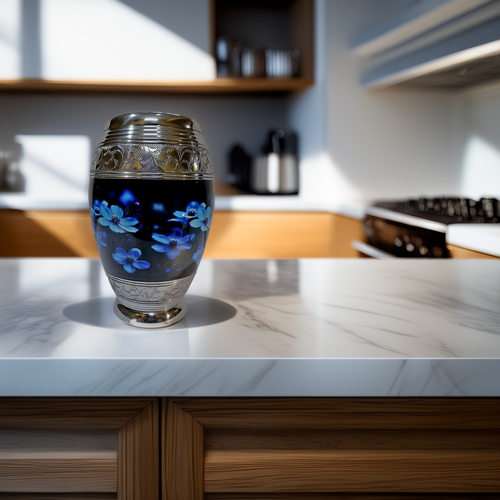
Many families find that an urn for ashes and a piece of cremation jewellery work beautifully together. These are not competing choices, and choosing one does not diminish the other. They simply serve different purposes, and both can hold equal meaning.
A common approach looks something like this: a full-sized urn holds the majority of the remains in a meaningful place at home, perhaps on a shelf, in a dedicated corner, or within a memorial space. Meanwhile, a pendant or ring allows one family member to carry a small portion of their loved one with them through daily life. One choice offers a place of stillness and remembrance at home; the other offers something quieter and more personal, worn close to the body each day.
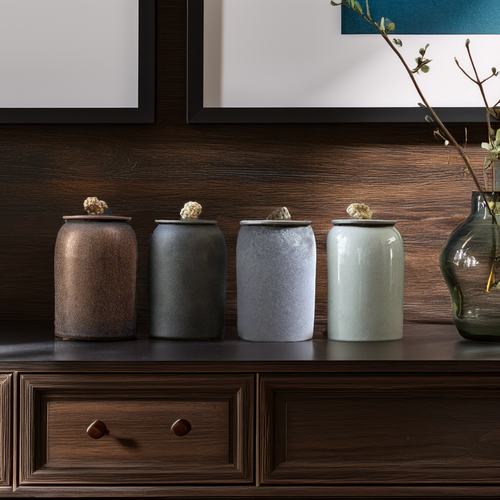
When families want to share remembrance among several people, keepsake urns often become part of this picture too. Keepsake urns are smaller than full-sized urns and designed to hold only a portion of remains. They can sit alongside jewellery as part of a broader approach to remembrance, allowing siblings, parents, or close friends to each have something of their own. There is almost always enough for a full urn, several keepsake urns, and one or more pieces of cremation jewellery simultaneously.
What matters most is that each person can grieve and remember in the way that feels most natural to them. One family member may find comfort in jewellery worn every day. Another may take quiet comfort in visiting a place where an urn rests at home. Neither choice is more or less meaningful than the other.
At Remembrance Haven, our range of urns for ashes is designed to support exactly this kind of personal, thoughtful decision-making. Whether you are looking for a full-sized cremation urn, a small keepsake urn to share among family, or guidance on which options might suit your situation, we hope our collection offers a calm and helpful starting point.
How to Choose Cremation Jewellery That Feels Right
The most important starting point is not the price tag, and it is not whatever style happens to be popular right now. It is the person you are remembering. Think about what they loved, what they were drawn to, what felt like them. Someone who spent their life outdoors might be remembered through a nature-inspired piece; a leaf, a tree of life, or a simple organic shape. Someone with a quiet, understated spirit might be honoured through a plain, smooth pendant with no embellishment at all. Letting those qualities guide your choice means the piece will carry meaning long after the initial decision has faded.
It is also worth thinking carefully about when and how the piece will actually be worn. A ring or bracelet worn every single day needs to be made from a durable material with a secure, well-constructed closure. A glass-infused pendant, on the other hand, may be worn less often or kept somewhere special, and in that case visual beauty can take priority over everyday robustness. Neither approach is more valid than the other; they simply suit different ways of remembering.
Consider the wearer's relationship with jewellery more broadly. Someone who rarely wears rings or necklaces may find a keychain or a very simple pendant far more comfortable to live with than something elaborate. The best piece is the one that actually gets worn and held, not the one that feels like an obligation.
If your faith or cultural tradition has any guidance around carrying remains, it is worth sitting with that thoughtfully. There is no universal rule here, and personal and family meaning is always the most important guide. Many designs are discreet enough that, as one source notes, nobody needs to know what the piece holds unless you choose to tell them. You can read more about the practical and emotional considerations in this cremation jewellery guide.
Finally, and perhaps most importantly: there is no rush. Cremation is now the most common choice in many countries, including the United States, Canada, Australia, and across Asia Pacific, which means cremation jewellery is widely understood and accepted as a meaningful form of remembrance. The decision will still be there when you are ready. Taking days or weeks, or longer, before choosing is not only acceptable; it is often exactly right. The piece that feels considered and personal will mean far more than one chosen in haste.
There Is No Right or Wrong Way to Remember
There is no rulebook for grief, and there is no single right way to honour someone you have lost. Some families find deep comfort in a beautiful urn kept in a special place at home. Others are drawn to a garden memorial, a dedicated corner with photographs and mementos, or a quiet scattering ceremony by the sea. Some people find that nothing formal feels right at all, and that is equally valid. What matters is not the form remembrance takes, but the love behind it.
The desire to keep someone physically close is not a sign that you are struggling to accept what has happened. It is simply love, expressed in a very human way. Grief researchers increasingly recognise that maintaining a continuing bond with someone who has died is a natural and healthy part of healing. Carrying a piece of someone with you is not about holding back. It is about carrying them forward.
Choosing cremation jewellery, or deciding it is not right for you, is a deeply personal decision. There is no deadline, and there is no pressure. Many people make this choice months or even years after a loss, when the time simply feels right. Others decide it is not for them, and that deserves just as much respect.
If you are curious about exploring cremation jewellery, we gently invite you to look through the options whenever you feel ready. Take all the time you need.
Key Takeaways
Here is a brief summary of the most important things to know about cremation jewellery.
Cremation jewellery is a wearable way to carry a small portion of ashes. Pieces come in many forms, including pendants, rings, bracelets, keychains, and earrings, each designed with a secure compartment to hold cremated remains close to you.
Materials matter for comfort and longevity. Sterling silver, stainless steel, gold, and glass are the most common options, each offering different benefits in terms of durability, appearance, and everyday wearability.
Very little ash is needed. A tiny pinch is enough for most pieces, which means jewellery and a full urn for ashes can be used together comfortably and without any conflict.
Pet cremation jewellery works in exactly the same way. It offers genuine comfort for families grieving the loss of an animal companion.
There is no single right choice. The most meaningful piece is simply the one that feels personal, considered, and true to the person you are remembering.
Conclusion
Grief is deeply personal, and so is the way we choose to honour those we have lost. Cremation jewellery offers a meaningful, tangible way to keep a loved one close, whether through a pendant, ring, or bracelet that holds a small portion of their ashes. The options available today are thoughtful, beautiful, and surprisingly accessible, meaning there is something to suit almost every style and budget.
The most important takeaway is this: there is no right or wrong way to remember someone. What matters is that your choice feels true to you and to them.
If you are ready to explore further, browse our collection of cremation jewellery pieces or reach out to our team for gentle, no-pressure guidance. You deserve a memorial as unique as the person you are honouring.