Ignorer et passer au contenu

Losing someone you love is never easy, and the decisions that follow can feel overwhelming, especially if you're navigating cremation for the first time. If you've recently received or are preparing to receive a loved one's cremated remains, you probably have questions about what comes next. That's completely normal, and you're not alone.
This guide is here to walk you through everything you need to know about ashes for urns, from understanding what cremated remains actually look like to choosing the right urn and handling the process with care and confidence. We'll break it all down in simple, straightforward terms so you never feel lost or confused along the way.
Whether you're planning ahead, helping a family member, or simply trying to understand your options, this tutorial will give you a solid foundation. By the end, you'll feel more informed, more prepared, and a little more at ease during what can be a truly difficult time. So take a breath, and let's work through this together, one step at a time.
What Are Cremated Remains?
When someone is cremated, the body is placed in a cremation chamber and exposed to very high temperatures, typically between 1,400 and 1,800 degrees Fahrenheit. What remains afterward are primarily processed bone minerals, mainly calcium phosphates, that have been reduced and then carefully processed into smaller, uniform fragments. These are the cremated remains, often called "ashes," though that word can be a little misleading.
Many people are surprised to find that cremated remains do not look like the soft, fine ash left behind by a fire or candle. They are more granular in texture, similar in feel to coarse sand, and range in colour from off-white to light grey. That difference from expectation can catch families off guard, and it is completely understandable if it does.
In terms of weight, most adults produce somewhere between 1.4 kg and 2.7 kg of cremated remains (roughly 3 to 6 pounds), though this varies depending on the person's body size and bone density.
Before being placed into a permanent urn, remains are typically returned to families inside a sealed plastic bag, nestled within a simple temporary container, often a basic plastic or cardboard box. This is standard practice across most cremation providers worldwide.
If your loved one was cremated through aquamation (also called alkaline hydrolysis or water cremation), the remains you receive will look very similar. They tend to be slightly finer in texture and a little lighter in colour, often a soft white or light tan. You can read more about how water cremation differs from flame cremation and how the aquamation process works if you would like to understand more. Aquamation is becoming increasingly available in Australia, so this is worth knowing.
If you feel uncertain, emotional, or simply unprepared when first encountering or thinking about cremated remains, please know that this is entirely normal. There is no right way to feel, and taking your time is always okay.
How Much Ash Is There? Understanding Volume and Weight
One of the most practical questions families ask is simply: how much ash will there be? Understanding this helps you choose an urn with the right capacity, so you can feel confident in your decision.
The memorial industry works from a single, widely accepted guideline: approximately 1 pound of body weight produces roughly 1 cubic inch of cremated remains. So a person who weighed 150 pounds (around 68 kg) would produce approximately 150 cubic inches of ash. A person who weighed 200 pounds would produce around 200 cubic inches. This rule, attributed to the Cremation Association of North America, is a helpful starting point for most families.
For those thinking in kilograms, here is a simple way to apply the same rule: 1 kg of body weight produces approximately 2.2 cubic inches of cremated remains. So a person weighing 70 kg would need an urn with a capacity of roughly 154 cubic inches. This conversion is not always spelled out clearly, so it is worth keeping handy.
When choosing an urn, the number to focus on is the stated cubic inch capacity, which refers to the interior volume of the urn. This matters more than the urn's outer height or width, because thick walls, tapered interiors, and decorative bases can reduce the usable space inside. You can find a helpful urn sizing guide that explains this in more detail.
It is also worth knowing that some variance is completely normal. Factors like bone density and height can affect the final volume slightly, which is why most standard adult urns are designed with a generous capacity of around 200 cubic inches. This accommodates the vast majority of adults comfortably.
One final practical note: cremated remains are typically returned from the crematorium in a sealed inner bag or liner, which sits inside the urn. When reviewing a product, the listed cubic inch capacity is the figure that tells you whether the urn will hold the remains, not the external measurements you see in photos.
Choosing the Right Urn Size
Now that you have a sense of how much ash to expect, the next step is finding an urn that fits comfortably. Urn sizes can feel confusing at first, but a few simple guidelines make it much easier to choose with confidence.
Standard Adult Urns
For most adults, a standard adult urn is the right place to start. These urns typically hold between 180 and 220 cubic inches, which is sufficient for most adults weighing up to around 90 kg (approximately 200 lbs). A helpful rule of thumb is that one pound of body weight equals roughly one cubic inch of capacity needed. So if your loved one weighed around 160 lbs, an urn with at least 160 to 170 cubic inches will usually be appropriate. The standard adult size covers this range comfortably for the majority of people.
Companion Urns
Companion urns are designed to hold the remains of two people together. They typically hold between 400 and 500 cubic inches, which is essentially double the capacity of a standard adult urn. Many couples choose a companion urn as part of their memorial planning, as a way of honouring a lifelong bond. If this reflects what your loved one wished for, it is a deeply meaningful option.
Keepsake Urns
Keepsake urns are much smaller, usually holding between 1 and 50 cubic inches. They are not intended to hold all of the ashes; rather, they hold a small, meaningful portion. Families often use keepsake urns to share remains among several loved ones, so that each person can keep a personal memorial close. It is a gentle way for a family to feel connected, even across distance.
Children's and Infant Urns
Losing a child is one of the most profound experiences a family can face, and the right memorial deserves the same care and thoughtfulness as any other. Children's and infant urns are sized specifically for the smaller volume of remains associated with young lives, and they are crafted in gentle, carefully considered styles that reflect the tenderness of that loss. If you are navigating this particular loss, please know there is no rush, and support is available.
A Gentle Piece of Practical Advice
If you are ever unsure about size, it is always better to choose slightly larger rather than smaller. Once an urn is chosen and in use, it is not possible to add more capacity. A larger urn will never look or feel wrong; in fact, many families find it reassuring to have a little extra room. When in doubt, this simple guide to urn sizes and cubic inches can help you think through the decision calmly and clearly.
How to Place Ashes Into an Urn
When the crematorium returns your loved one's remains, they will typically arrive in a plain plastic box or simple cardboard container. It may have a label attached or a plastic tie closure. This packaging is entirely standard and is designed to be practical rather than permanent. There is nothing wrong with the way it looks. Inside the outer container, you will usually find a sealed inner plastic bag holding the cremated remains. This inner bag is what you will be working with when you are ready to transfer.
Preparing for the Transfer
Take your time before you begin. There is no urgency, and you can wait days or longer until you feel ready. When you are, lay a clean cloth or sheet of paper on a flat, stable surface to protect the area and catch any fine particles. Have a pair of scissors nearby, and optionally a pair of gloves if you would prefer not to handle the bag directly. Open your urn according to its closure type, which we will cover in a moment, and set it securely on the prepared surface.
Step by Step
Gently remove the inner bag from the temporary container. At this point, you have two equally respectful options. Many families simply lower the whole sealed bag, intact, into the urn. This is a very common choice and does not require handling the remains directly. The other option is to carefully cut a corner of the bag and pour the ashes into the urn, using a paper funnel if helpful. Either approach is completely valid. Once the remains are inside, close and secure your urn carefully.
Understanding Urn Closures
Different urns close in different ways, and knowing this in advance can help you feel more prepared. A threaded lid screws on and off and is common on metal and ceramic urns. Wooden urns often have a base panel secured with small screws. Stone and marble urns frequently use a rubber or threaded stopper on the underside. Some decorative urns use a velvet bag insert rather than a rigid closure. Others are sealed permanently with adhesive after filling. If you are unsure how your urn opens, the product description should explain this clearly, and you are always welcome to reach out before it arrives.
It Is Okay to Ask for Help
This step can bring up strong emotions, and that is completely understandable. You do not have to do this alone. A trusted family member or friend can help, or you can ask your funeral home to carry out the transfer on your behalf. Many funeral homes offer this quietly and without fuss. For further practical guidance, resources like this step-by-step guide to filling a cremation urn can walk you through the process gently. Take all the time you need.
Choosing the Right Urn for Your Needs
Once you have a sense of how much ash to expect, the next natural question is: what kind of urn is right for your situation? There is no single answer, and that is completely okay. The right choice depends on how you intend to use the urn, what feels meaningful to you, and what honours the person you are remembering.
How You Plan to Use the Urn Matters Most
The intended purpose of an urn shapes almost every other decision, so it helps to start here.
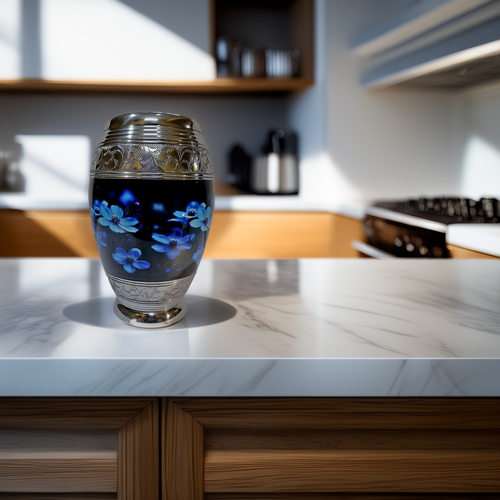
Home display is the most common choice. If the urn will rest in your home as an ongoing tribute, prioritise aesthetics, durability, and a secure closure. It becomes a quiet, steady presence in your space, so choosing something that feels visually right for your home is entirely reasonable.
Burial requires a little extra research beforehand. Cemetery and cremation garden policies vary, and some require biodegradable or vault-enclosed containers. It is worth contacting the cemetery directly before you purchase, so you can be confident the urn meets their requirements.
Columbarium placement comes with a very practical consideration: niche dimensions are not standardised. Before ordering, confirm the exact interior measurements of the niche with the facility. Even a slightly oversized urn may not fit.
Scattering ceremonies often call for a lighter, temporary, or biodegradable urn. These are designed specifically for a dignified, gentle release, whether in nature or over water. You may also want to check local regulations around scattering ashes in your area, as rules vary by region.
A Brief Guide to Common Materials
The range of materials available today is wider than most people expect. Choosing the right urn really does come down to personal preference and intended use.
Metal and brass offer durability and classic elegance, suitable for both home display and burial.
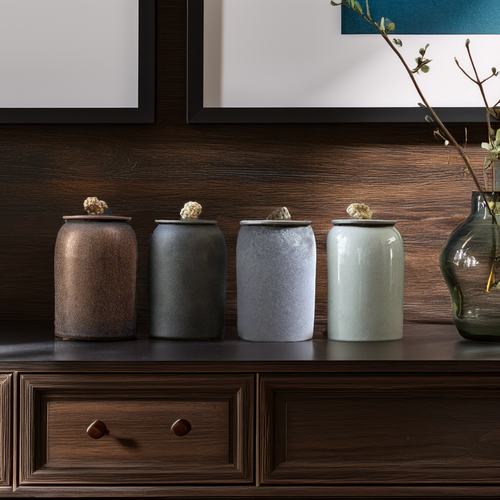
Ceramic is valued for its beauty and the variety of glazes, colours, and hand-painted designs available.
Wood brings warmth and natural character, with options in cherry, walnut, oak, and other hardwoods.
Marble and stone carry a sense of permanence and gravitas, traditionally associated with burial or columbarium use.
Biodegradable materials such as paper, salt, and compressed plant matter are designed to return naturally to earth or water, a thoughtful choice for eco-conscious families.
Glass urns are typically handcrafted by artisans and valued for their unique, one-of-a-kind beauty, often chosen as keepsake or display pieces.
Making It Personal
Personalisation can transform an urn into something that truly reflects the individual being remembered. Engraving a name, a date, or a meaningful phrase adds a deeply personal touch to metal, wood, marble, or ceramic urns. Custom decorations, including themed motifs or hand-painted imagery, allow you to celebrate a person's passions or beliefs. Photo memorial options, where a portrait is incorporated into the urn itself, offer a particularly personal and visual connection. According to expert guidance on choosing urns for ashes, personalisation is one of the most meaningful ways families find comfort in their choice.
Tealight Urns: A Gentle Living Tribute
One option worth knowing about is the tealight or candle urn. These combine ash storage with the soft, comforting presence of a living flame. Lighting a candle can become a quiet ritual, a moment of connection and remembrance in everyday life. They are a particularly gentle choice for home display, available in both full-size and keepsake versions.
There Is No Wrong Answer Here
The most reassuring thing to remember is that there is no single correct choice. The best urn is simply the one that feels right for the person, for your family, and for the way you wish to remember them. Whether you are drawn to permanence, natural beauty, personalisation, or environmental values, all of these are meaningful reasons. And there is no rush. Taking the time to find something that truly feels right is always worthwhile.
Sharing Ashes Among Family Members
Sometimes, one urn is not the whole answer. When a family is spread across different cities or countries, or when several people each want to hold their loved one close, dividing the cremated remains is a natural and deeply human response to loss.
A single cremation typically produces between 150 and 200 cubic inches of remains, which means there is often enough to fill a primary urn and still leave meaningful portions for others. Some families choose this path so that siblings in different homes can each have something tangible. Others combine permanent storage with scattering, keeping a portion at home while releasing another in a meaningful place.
Keepsake urns are small urns designed specifically for this purpose. They hold a modest but meaningful portion of remains, and they are available in matching sets or complementary styles, so each family member receives something that feels personal and considered rather than incidental. Ordering a set together creates a quiet sense of unity across separate households.
For those who want something even closer, memorial jewellery for ashes offers a deeply intimate option. Rings, pendants, and bracelets can hold a very small amount of remains, roughly a pinch, sealed within the piece itself. It is one of the most personal ways to carry a loved one with you through everyday life. You can learn more about sharing ashes through jewellery to understand how these pieces work in practice.
There are no universal rules about how remains should be distributed. The decision belongs entirely to the family, shaped by love, practicality, and individual need. Some traditions do prefer remains to be kept together, so it is worth reflecting on your loved one's wishes or beliefs if that feels relevant. But for most families, dividing remains is simply an act of inclusion.
One practical note worth remembering: if sharing is part of your plan, ordering keepsake urns at the same time as the main urn makes the process much smoother. It means everything arrives together, and you only need to handle the ashes once.
Storing an Urn at Home: Practical Guidance
Once you have chosen an urn and your loved one's ashes are safely inside, deciding where to keep it at home is a gentle but important next step. The good news is that there is no single right answer, and you have plenty of time to find what feels right.
Choosing a Safe and Meaningful Spot
Look for a location that is stable, sheltered, and part of your everyday living space if that feels comfortable. A mantelpiece, a bookshelf, or a dedicated memorial corner all work beautifully. Try to avoid places with direct sunlight, as prolonged exposure can fade certain materials over time. High-humidity areas like bathrooms are best avoided too, and spots near heating vents or air conditioning units can cause unnecessary temperature fluctuations. A calm, consistent environment is all that is needed to keep the urn in good condition.
If your home includes young children or curious pets, it is worth thinking carefully about height and stability. Placing the urn on a secure, raised surface reduces the risk of it being accidentally knocked over. This is especially worth considering if your urn has a simple lid rather than a threaded or locked closure.
Travelling with Ashes
If you need to travel with an urn, Australian domestic flights generally permit cremated remains in either carry-on or checked luggage. Policies do vary between airlines, so it is always worth checking directly before you travel. Carrying documentation from the crematorium is good practice and may be requested. You can find helpful guidance at Bethel Funerals' travelling with human ashes guide. For international travel, requirements differ significantly by country, so consulting the relevant embassy or a government travel authority well in advance is strongly recommended.
No Rush, No Pressure
A well-sealed, properly stored urn will protect cremated remains safely and indefinitely. There is truly no urgency to make permanent decisions about placement or final disposition. Take all the time you need.
A Note for Australian Families
If you are reading this from Australia, you are in good company. Cremation rates in Australia have been climbing steadily for years, reaching 65.19% in 2020 and continuing to rise at roughly half a percent each year. That means more Australian families than ever before are gently navigating the process of choosing urns for ashes, often for the very first time. You do not need to have any prior knowledge to make a meaningful and informed choice.
Scattering Ashes in Australia
If you are considering scattering your loved one's ashes, it is important to know that regulations vary across states and territories. There is no single national rule. Some locations require permits, others restrict scattering on public land, in national parks, or in waterways. Before making any plans, please check with your state or territory's relevant government authority. Your local council can also advise on parks and reserves, and marine or environmental authorities can guide you on ocean or waterway scattering. Taking this small step first can save a great deal of stress later.
Columbarium Placement
Many Australian cemeteries and memorial parks offer columbarium niches, which are small, secure compartments designed to hold an urn. Each facility sets its own niche dimensions, and these can vary quite a bit from one location to another. Before purchasing an urn intended for columbarium placement, it is worth contacting the cemetery directly to request the exact measurements of your reserved niche. A quick phone call or email can ensure the urn you choose fits perfectly.
A Note on Aquamation
Aquamation, also known as alkaline hydrolysis or water cremation, is now available through select Australian providers. The remains it produces are fully compatible with standard urns. The ashes may be slightly finer in texture than those from traditional cremation, though this does not affect urn capacity requirements in any significant way. If your loved one's cremation used this method, you can proceed with choosing an urn as you normally would.
Ordering Locally
Choosing an Australian-based memorial retailer like Remembrance Haven means browsing and purchasing in AUD, without currency conversion or international shipping uncertainty. It also means working with a team familiar with the Australian memorial context, local columbarium standards, and the practical realities Australian families face. During a time when simplicity and clarity matter most, that local understanding can make a quiet but meaningful difference.
Taking the Next Step, When You Are Ready
When you feel ready to take this step, a few simple foundations can help guide you. The 1 lb to 1 cubic inch rule gives you a reliable starting point for capacity. Choosing a size that fits comfortably, with a little room to spare, means there are no unwelcome surprises. And thinking about how and where the urn will be used, before considering materials or style, tends to make the whole process feel more manageable.
There is no pressure to decide quickly. Grief does not follow a schedule, and it is entirely normal for families to take weeks, months, or longer before feeling ready to choose a permanent urn. The ashes are safe in their temporary container, and the decision simply waits for you, not the other way around.
When you do feel ready to browse, Remembrance Haven's range includes adult urns, keepsake urns, companion urns, children's urns, and memorial jewellery for ashes. Each product includes clear sizing and capacity information to help you choose with confidence.
The goal is not to find something perfect. It is simply to find something that feels right; something dignified, personal, and meaningful to the person being remembered. If you have questions at any point, support is available. Choosing a cremation urn should never feel like something you have to navigate alone.
Conclusion
Navigating cremation for the first time can feel daunting, but you now have the knowledge to move forward with confidence. Remember these key takeaways: cremated remains are completely normal and safe to handle, choosing the right urn is a deeply personal decision that honors your loved one's memory, and there is no single "right" way to grieve or memorialize someone you love.
You don't have to figure this out alone. Reach out to a trusted funeral professional, explore urn options at your own pace, and lean on family or friends for support along the way.
If you found this guide helpful, share it with someone who may need it. And when you're ready to explore urns, browse our collection to find a meaningful resting place that truly reflects the life you're honoring. You've got this.