Skip to content

If you are here, you are probably choosing an urn for ashes for someone you love. I am sorry for your loss. This guide is meant to feel like a calm hand on your shoulder, with clear steps and simple language so you do not have to figure it out alone.
We will walk through the basics, starting with what an urn for ashes actually is and how to pick the right size. You will learn the differences between materials like wood, metal, ceramic, glass, and biodegradable options. We will also look at where the urn will be placed, at home or in a cemetery niche, and how that affects your choice. Style and personalization matter too, so we will cover engravings, colors, and designs that honor a unique life.
By the end, you will know how to match capacity to needs, how to balance budget with quality, and what to expect if you plan to travel, scatter, or bury. You will get a simple checklist and common mistakes to avoid, so every step feels manageable.
Understanding Urn Types and Materials
Types of urns
Choosing an urn for ashes often begins with understanding the main types. Adult urns usually hold 180 to 220 cubic inches, guided by a simple rule of thumb of 1 cubic inch per pound of body weight, so a 200 cubic inch urn suits many adults. Keepsake urns are much smaller, typically 1 to 5 cubic inches, and let several people share a portion of ashes at home or during private rituals. Cremation jewelry holds a tiny amount, often a pinch, offering a discrete and portable remembrance that many find comforting. Children’s urns generally range from 20 to 80 cubic inches, with gentle, thoughtful designs. Pet urns come in sizes for small companions to large breeds, sometimes featuring paw prints or sculpted motifs. For a plain-language overview, you may find this resource helpful: a clear guide to different types of cremation urns.
Why material choice matters
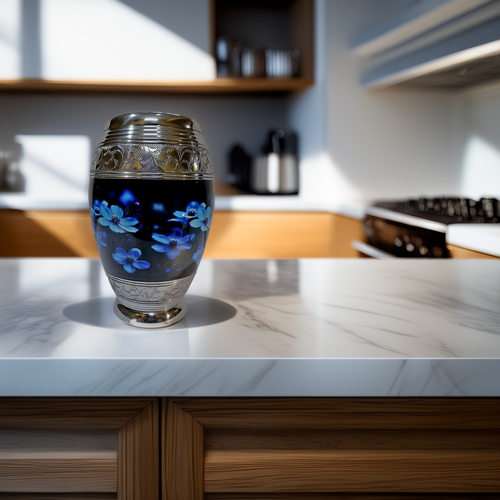
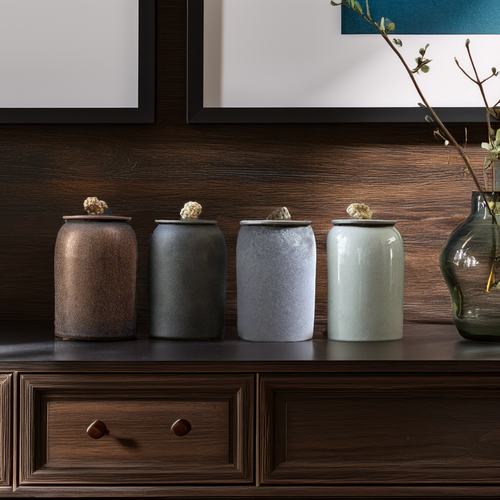
Material affects durability, appearance, and suitability for display, burial, or scattering. Metal urns, such as brass, bronze, or stainless steel, are long lasting, often use threaded lids for secure closure, and can be appropriate for home display or placement in a niche. Wood urns in oak, cherry, or walnut feel warm and natural, can be engraved, and are best kept indoors away from excessive humidity. Ceramic and glass offer artistic color and form, ideal for display on a stable shelf; check cemetery rules, since many burial grounds require a protective vault. Biodegradable options, including recycled paper, bamboo, or other plant-based materials, are designed to return gently to the earth or dissolve in water. If you plan a green burial or a water ceremony, confirm local regulations and time-to-breakdown guidance.
Design trends to consider
Mid-century modern styles are popular, with clean lines, gentle curves, matte ceramics, brushed metals, and warm woods that blend quietly with contemporary interiors. Eco-friendly design is also growing, including scattering urns with intuitive openings and biodegradable pieces for land or water that typically break down within months on land or 24 to 48 hours in water. A practical approach is to note your intended setting, climate, and how you wish to engage with the memorial, then match material and capacity to those needs. Consider symbols, colors, or finishes that hold personal or cultural meaning. Taking one small decision at a time can help the process feel calmer and more grounded.
Step-by-Step Guide to Choosing the Right Urn
1. Determine the right size, gently and accurately
If you are choosing an urn for ashes, a simple first step is to estimate capacity. A widely used guide is 1 cubic inch per 1 pound of body weight before cremation, and standard adult urns are commonly around 200 cubic inches, which suits many adults. For example, someone who weighed 150 pounds would typically need an urn of at least 150 cubic inches; rounding up provides a comfortable margin. You can review this guideline in a clear guide to urn sizes. If the cremation method was aquamation, the volume of remains may be up to about 20 percent greater, so selecting a larger capacity can be helpful; a simple urn capacity calculator for ashes can assist. If ashes will be shared, consider one full-size urn alongside several keepsake urns or a small piece of cremation jewelry, so each person can honor their connection in a personal way.
2. Personalize through design and symbolism
Next, consider design elements that feel true to your loved one. Materials influence both look and use, for example metal for long term durability and home display, wood for warmth and engraving, ceramic or glass for artistry, and biodegradable options for land or water ceremonies. Symbols can speak quietly when words are hard, such as a Tree of Life for connection to nature, a lotus for renewal, mountains or waves for a lifelong passion, or a simple geometric form for a minimalist aesthetic. Colors carry gentle associations as well, such as soft blue for calm, green for harmony, white for peace, or deep red for love and courage. Practical details support peace of mind, including a threaded lid for secure closure, a felted base to protect furniture, and a scattering tube if you plan a ceremony.
3. Respect cultural and religious preferences
Finally, let cultural or spiritual preferences guide your choice with care. Customs vary widely, and some families value simplicity, specific symbols, or scattering rather than long term display. If the urn will rest in a columbarium, temple, or community space, ask about size, material, and imagery guidelines in advance. For water or land scattering, check local regulations and choose containers intended for that purpose, including biodegradable options where appropriate. When beliefs differ within a family, neutral designs or keepsake urns can allow each person to remember in a way that feels right. Noting capacity, meaningful motifs, and any community requirements will make browsing urns for ashes steadier and more focused.
Navigating Emotional Challenges While Purchasing
Gentle ways to steady your emotions
If you feel flooded by grief while choosing an urn for ashes, pause and name what you are feeling. A few slow breaths, or a brief walk, can help you return to the task with a steadier mind. Break the process into small steps, such as deciding intended use first, then shortlisting materials, then choosing a design that feels meaningful. Invite a trusted person to sit with you, even virtually, and reflect together on two or three qualities you wish the memorial to express, such as gentleness, courage, or peace. If a full decision feels too heavy today, consider starting with a small keepsake or memorial jewelry, trends that many families now find comforting and portable, then return to a larger choice when ready.
Building trust and transparency online
Shopping online can offer calm, privacy, and a wide range of urns for ashes, but transparency matters. Look for detailed product pages that outline capacity, material, finish, closure type, and care, along with clear, close-up photos and measured dimensions. Confirm that checkout is secure, return policies are easy to understand, shipping timelines are realistic, and customer reviews are verified. Be alert to hidden fees and confusing discounts, since some providers use tactics that raise anxiety; a brief read of this consumer guide to avoiding funeral scams can help you spot red flags. For practical checkpoints when buying an urn online, including how to verify capacity guidance before you purchase, see mistakes to avoid when buying cremation urns online.
Where to find compassionate support
If decision fatigue sets in, it is okay to rest. Many people find strength through local bereavement groups hosted by hospices, hospitals, or community centers, as well as faith communities where applicable. A licensed grief counselor can help you pace choices and create simple coping rituals between tasks; this overview on coping with grief and loss offers gentle starting points. Online communities can provide connection across time zones, and some workplaces offer short-term counseling through employee assistance programs. As you move to the next steps in this guide, keep decisions short, note questions as they arise, and return when you feel ready.
Ensuring Secure and Respectful Urn Storage
Secure closures and sealing, calmly explained
A secure urn for ashes protects both the contents and your peace of mind. Metal urns often use threaded lids that hand tighten for a reliable seal; check that the lid sits flush and recheck it every few months, especially after moving the urn. Ceramic or glass lids typically rest in place, so a clear silicone sealant can create a permanent closure; apply a thin bead around the rim, seat the lid, then allow at least 24 hours to cure for strength and an airtight finish, as outlined in this practical guide to sealing cremation urns. Wooden urns may have a sliding base or panel; if you prefer permanence, a small amount of wood-safe adhesive is suitable, but only if you do not plan to access the interior later. Some biodegradable urns are designed to be gently water activated or closed without adhesives for eco-burial; you can review material-specific notes in this helpful urn security FAQ. For added protection, keep the ashes in the provided inner bag, line the base with felt, and avoid over tightening any threaded parts.
Thoughtful display in shared living spaces
Many families create a calm focal point at home that feels safe, accessible, and dignified. Choose a stable, low-traffic surface such as a mantel, console, or recessed bookshelf, and add a non-slip pad or museum putty beneath the urn to prevent shifting. If children or pets are present, consider a higher shelf or a glass-front cabinet, and position the urn away from doorways and open windows. Protect delicate materials by avoiding direct sunlight, fireplaces, and HVAC vents, which can fade finishes or cause temperature stress; a softly lit corner with a small lamp or picture light can create a gentle glow. Some families include a framed photo, a favorite book, a candle, or a small keepsake urn so multiple household members can share in remembrance without crowding the display.
Legal and travel considerations when transporting urns
If flying, pack cremated remains in a container that can be clearly X-rayed, such as plastic or certain wood and ceramic options, since dense metals or stone may not be cleared at security. Keep the cremation certificate and a copy of the death certificate with you, and allow extra time at the airport. Contact your airline in advance, since policies on carry-on versus checked items can differ, and ask about any required documentation. For international travel, check the embassy or consulate of your destination for entry rules, translations, or permits related to cremated remains. If mailing within the United States, use the postal service option that specifically accepts cremated remains, follow their packaging instructions, and double-box with ample cushioning. For car travel, keep the urn upright in a padded carrier, out of direct sun, and avoid opening it on the move; if you plan a scattering, pack that container separately for easy access at the destination.
Memorial Ideas and Practices
Thoughtful ways to include an urn in a service
Many families find comfort by making the urn the gentle centerpiece of the memorial. A memory table with a soft cloth, candles, and a framed photo creates a calm focal point. Choose a theme that reflects a pastime, such as arranging the urn beside favorite books or gardening tools, as shown in these creative urn display ideas. Fresh florals can soften the space; wreaths or garlands around the vessel are thoughtful options, illustrated in floral arrangement ideas for urn tables. If privacy matters, place the urn for ashes in a peaceful alcove.
Keepsake urns and cremation jewelry for lasting memories
Keepsake urns and cremation jewelry can gently extend remembrance beyond the service. Small keepsake urns hold a token portion of ashes so relatives in different places can each keep a private tribute. Jewelry such as lockets, bracelets, or rings allows you to carry memory with you, which many find grounding in early grief. Choose secure threaded closures and durable materials, and remove jewelry before swimming or strenuous activity. If you plan to travel, check airline rules and request a brief cremation certificate to ease screening.
Personalizing and customizing urns
Personalization can turn an urn into a recognizable tribute. Engraving a name, dates, and a short line from a poem or prayer is a gentle start, and many families add symbols like a birth flower, faith emblem, or constellation. Color and material choices also carry meaning, for example ocean blue for a sailor or warm wood for a nature lover. Consider pairing a full-size urn with matching keepsakes so close family can share the same design. To plan with ease, choose one guiding theme, gather two or three meaningful elements, then review a proof of the inscription for accuracy. Invite guests to add a handwritten note or photo beside the display.
Practice and Next Steps in Selecting an Urn
Start with size, then narrow gently
On ashescremationurn.com.au, begin by confirming capacity, since fit brings peace of mind. The site offers a helpful calculator in the Choose the right size cremation urn guide, which explains metric sizing, for example about 36 milliliters of ashes per kilogram. If your loved one weighed 82 kilograms, that guide suggests close to 2.95 liters, so a standard 3.0 liter adult urn for ashes is a steady choice. Once you have a size, browse by material and style, then open a few product pages to compare details side by side. For instance, the Musu Adult Ashes Urn lists a 3.0 liter capacity, stands 25 cm tall, and features a gentle hummingbird motif that some families choose to symbolize freedom or grace.
Read the specifications with calm clarity
Each listing presents measurable details so you can decide at your own pace. Look for material, such as brass, aluminum, or ceramic, finish and color, exact dimensions, and capacity shown in liters and sometimes cubic inches. Check the closure type, often a threaded lid for secure sealing, and note any included accessories like a velvet bag, felt base, or matching keepsake urns. If you plan a display at home, a columbarium placement, or burial in a vault, verify size and local requirements before purchasing. Many adult urns for ashes are around 200 cubic inches, which generally suits an average adult, yet the specific capacity on the page is the figure to trust.
Let reviews and ratings guide confidence
Customer reviews and star ratings offer real-world reassurance during a difficult task. Read several comments to see consistent notes about craftsmanship, weight, color accuracy, and packaging. Recent reviews with photos can show how an urn looks in natural light, and mid range ratings sometimes provide helpful nuance. Look for verified purchases, and notice how the store responds to questions, which is a sign of attentive care. If you feel unsure, save your favorites and return when you are ready, knowing the goal is a respectful, personal tribute.
Conclusion: Honoring Your Loved One with Dignity
Choosing an urn for ashes can be gentle and thoughtful when you focus on essentials: size, intended use, material, and secure closure. For size, a simple guide is 1 cubic inch of capacity per 1 pound of body weight, so many adult urns at around 200 cubic inches suit needs. Consider what feels right in daily life, such as a metal urn with a threaded lid for home display, a ceramic piece with a glaze, or a wood urn that feels warm to the touch. Personal connections matter most; motifs like a lotus, a cross, or ocean blue can quietly echo your loved one’s spirit. If sharing memories brings comfort, keepsake urns or cremation jewelry can hold a small portion of ashes so siblings or close friends each carry a part. For an earth-friendly tribute, biodegradable options for scattering or burial honor memory, place, and timeless beauty, offering lasting peace.